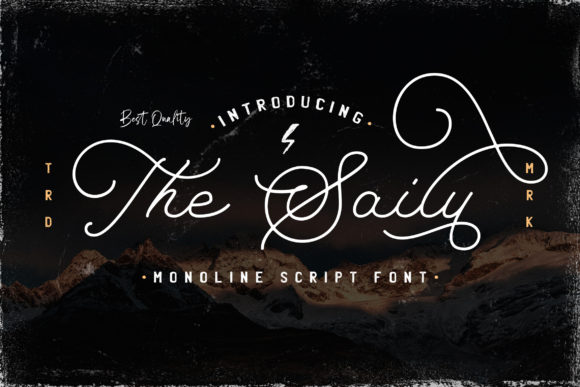
The Saily: A Premium Script Font for Elegant Web Design
When integrating The Saily into a modern digital layout, web designers immediately notice how this Script Handwritten typeface bridges the gap between classic calligraphy and contemporary user interface needs. Unlike many decorative Fonts that sacrifice legibility for flair, The Saily feels equally charming and elegant, offering a varying baseline and smooth lines that guide the eye naturally across hero sections and landing page headers. For UI designers and brand creators, selecting the right typography is not just about aesthetics; it is about establishing trust and setting a tone that converts visitors into customers.
Elevating Brand Identity with The Saily in Hero Sections
In the critical first few seconds of a user's journey, the hero section of a website must communicate value and personality instantly. The Saily excels here as a primary display font, bringing a human touch to digital products that often feel sterile. Because this Script Handwritten option features gorgeous glyphs and stunning alternates, it allows designers to create unique logotypes or headline treatments that stand out against clean sans serif body copy. When used for boutique online stores, coaching websites, or creative portfolios, The Saily injects a sense of artisanal quality and sophistication. The smooth lines of the typeface ensure that even on high-resolution retina displays, the curves remain crisp and inviting, reinforcing a premium brand identity without overwhelming the user.
Optimizing Visual Hierarchy for Conversion-Focused Layouts
Effective web design relies heavily on visual hierarchy to guide user behavior toward key actions. The Saily serves as an excellent tool for highlighting call-to-action areas, special offers, or testimonial quotes within a conversion-focused layout. By pairing these Fonts with a neutral geometric sans serif for navigation and body text, designers create a clear distinction between functional content and emotional triggers. The varying baseline inherent in this script style adds a dynamic rhythm to static web pages, making section headings feel less like rigid labels and more like personal invitations. This approach is particularly effective for course sales pages or service-based landing pages where building an emotional connection is paramount to driving sign-ups and purchases.
Enhancing Readability and Mobile Responsiveness with Script Fonts
A common concern when deploying Script Handwritten typography on the web is maintaining readability across various device sizes. The Saily addresses this challenge through its well-balanced stroke contrast and open letterforms. While it is best suited for headlines, subheaders, and short phrases rather than long paragraphs, its clarity ensures that messages remain legible on mobile screens. When implementing The Saily in responsive layouts, it is crucial to adjust line height and letter spacing to prevent characters from touching on smaller viewports. For dark backgrounds or image overlays, using the lighter weights or ensuring sufficient contrast ratio will preserve the elegance of the smooth lines, ensuring the font performs as a reliable design asset rather than a decorative afterthought.
Strategic Font Pairing for Editorial and Digital Experiences
To maximize the versatility of The Saily, strategic font pairing is essential for creating a cohesive digital experience. This stunning script font acts as a stylish homage to classic calligraphy, which pairs beautifully with modern serif fonts for an editorial look or clean sans serifs for a minimalist aesthetic. For example, a wedding invitation website might combine The Saily with a traditional serif to evoke timeless romance, while a tech startup's "About Us" page could pair it with a bold sans serif to soften the corporate vibe. The availability of stunning alternates within the font family allows designers to customize specific words or initials, adding a layer of bespoke detail to blog graphics, social media banners, and email headers. This flexibility makes The Saily a valuable addition to any comprehensive brand kit.
Leveraging Alternates and Glyphs for Unique Digital Assets
One of the most powerful features of The Saily for digital product creators is its extensive set of alternates and gorgeous glyphs. These elements allow for the creation of unique visual assets that prevent a brand from looking generic. In UI design, these alternates can be used to create distinctive icons, decorative dividers, or custom badges that enhance the overall user experience. When designing for platforms like Shopify or Squarespace, utilizing these OpenType features can elevate standard templates into custom-looking experiences. Whether used for packaging design mockups displayed on a portfolio site or for actual web graphics, the ability to swap glyphs ensures that no two headlines need to look exactly the same, fostering a sense of exclusivity and attention to detail.
Commercial Licensing and Implementation for Web Projects
Before integrating The Saily into client projects or commercial products, understanding licensing requirements is vital for professional web designers. As a premium Script Handwritten typeface, The Saily typically requires a specific desktop or webfont license depending on the method of implementation. For self-hosted websites, converting the font files to WOFF or WOFF2 formats ensures optimal loading speeds and browser compatibility. For SaaS founders and online store owners, verifying that the license covers unlimited page views or specific domain usage is necessary to avoid legal complications. Once properly licensed, The Saily becomes a permanent asset in your design toolkit, ready to enhance everything from app screens to digital ad campaigns. Its ability to convey charm and elegance makes it a worthwhile investment for any brand seeking to distinguish itself in a crowded digital marketplace.
Ultimately, the decision to use The Saily comes down to the desire for a typeface that offers both character and functionality. Its smooth lines and varying baseline provide the organic feel of hand-lettering while maintaining the structural integrity needed for professional web design. By thoughtfully applying these Fonts to headers, buttons, and branding elements, designers can craft online experiences that feel personal, polished, and profoundly engaging.